
Author: Mariana-A

What is SWIR

Calling All Pathologists’ Assistants! Become a Founding Cision Vision Clinical Ambassador
If you love new technology, enjoy connecting with clinical teams, and want to be part of a movement innovating pathology workflows, this is your chance to get involved with Cision Vision.
We are officially launching our Clinical Ambassador program — and we’re looking for detail-oriented, go-getters to help shape the future of pathology in clinical practice.
As a Clinical Ambassador, you’ll serve in a contract-based, per-diem role where you’ll showcase our InVision device to staff at hospitals and medical centers in your area.
What you’ll do:
🔹 Showcase the InVision device to local hospital/medical center teams
🔹 Support real-world demonstrations and feedback
🔹 Represent Cision Vision as an early champion of digital and automated specimen imaging
🔹 Enjoy flexible, per-diem contract work that fits your schedule
Who we’re looking for:
Pathologists’ Assistants who are:
✔️ Credible, enthusiastic, and trusted voices in their local labs
✔️ Excited about elevating pathology through innovation
✔️ Ready to help introduce tools that improve accuracy, documentation, and workflow efficiency
Interested?
Please send:
📄 Your resume
📝 A short paragraph on why you’d like to work with Cision Vision and serve as a Clinical Ambassador
➡️ Email to: cvca@cisionvision.com
Let’s bring the future of pathology into the hands of the people who know it best. Looking forward to connecting with passionate PAs who want to be part of something groundbreaking.
Negative Lymph Node Count Is Associated With Survival of Colorectal Cancer Patients, Independent of Tumoral Molecular Alterations and Lymphocytic Reaction

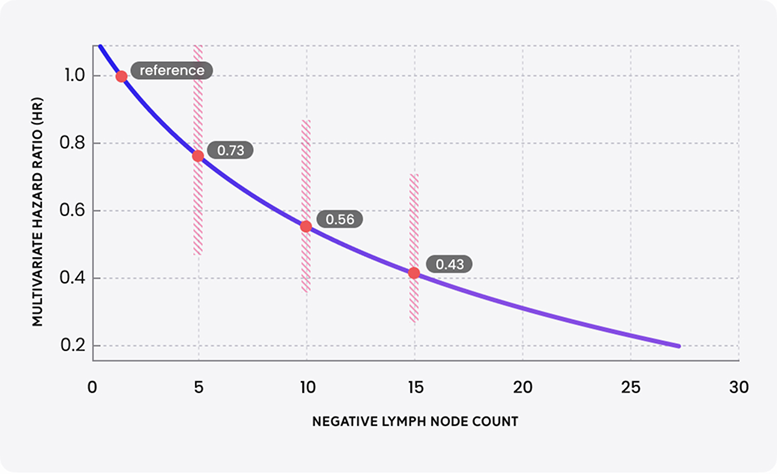
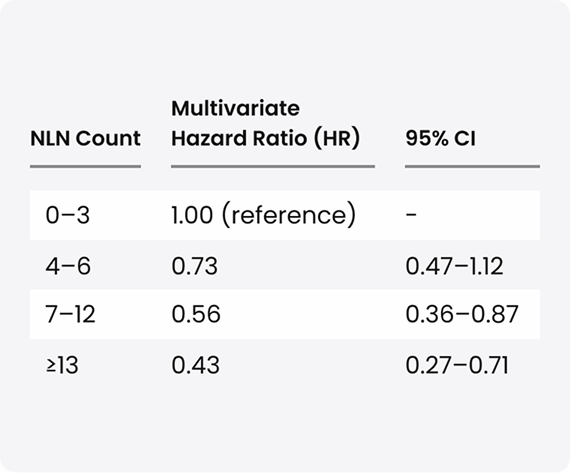
Raising Standards in Pathology: The Case for Training and Oversight in Grossing
In pathology, every accurate diagnosis starts with a foundational step: the gross examination. Yet as Jennifer Hudson, MD, compellingly argues in The Pathologist, this critical stage is vulnerable—especially when gauntlets are handed to personnel without standardized training or proper oversight.
“Diagnosis begins at the gross bench. If that part of the process is not done correctly, the downstream effects can be catastrophic.”
— Jennifer Hudson, The Pathologist
The Stakes: Who’s at the Bench Matters
Grossing was once the purview of pathologists and their residents. But mounting workloads prompted the adoption of pathologists’ assistants (PAs) and grossing technicians (GTs). While PAs emerge from accredited programs supplemented by robust hands-on experience, GTs often lack such rigorous education.
As pathology increasingly shifts toward digital diagnostics and complex analyses, the role and competency of the person at the gross bench matters more than ever.
Regulatory Gaps in a High-Stakes Role
Despite its complexity, grossing remains a high-complexity task under CLIA ’88. Yet in most U.S. states, requirements remain minimal—often just an associate degree in lab science. Only California has implemented tiered oversight, and a mere three states formally license PAs.
Such regulatory gaps are concerning, particularly when moderately or highly complex specimens—like cancer resections—are handled by underqualified staff.
AAPA’s POV: Define Roles. Elevate Training.
According to the American Association of Pathologists’ Assistants (AAPA), GTs should be limited to handling low-complexity specimens that don’t require selective sampling. PAs, by contrast, should graduate from NAACLS-accredited programs, pass the ASCP board certification exam, and handle moderate to high-complexity tasks—including selective sampling and frozen sections.
This role delineation allows pathologists to focus on microscopic diagnosis while ensuring grossing is done with the right level of training, ultimately protecting diagnostic integrity and workflows.
Conclusion
At Cision Vision, we believe that excellence in pathology starts at the gross bench. The article reinforces what we champion every day:
- Training matters: Only personnel with rigorous education and certification should handle complex specimens.
- Role clarity is critical: Clearly defined scopes ensure each team member works at the top of their competency.
- Regulations need updating: National standards should reflect modern diagnostic complexity.
By empowering pathology teams with both technology and defined training frameworks, we enable faster, safer, and more accurate diagnoses from the very first step.
From Grossing to Diagnosis: Time for a Pathology Revolution
In pathology, the awe-inspiring advances in diagnostics often grab headlines: molecular assays, digital AI analysis, augmented intelligence. But beneath these innovations lies a critical, yet underappreciated, foundation—grossing.
Every diagnosis begins with an older, overlooked step—grossing—where specimens are inspected, measured, and prepared for analysis. This process is vital, but it remains one of the most manual, inconsistent, and under-innovated parts of clinical care.
When grossing is slow or inaccurate, delays and errors can ripple downstream, impacting patient outcomes. As Soufiane Zakaria Azdad, MD, highlights in The Pathologist, it’s time to bring precision, consistency, and traceability to the bench.
Why Grossing Needs to Change
- High stakes: Even minor mistakes at this stage can affect diagnostic accuracy.
- Outdated methods: Many labs still rely on tools and workflows unchanged for decades.
- New possibilities: Automation, digital imaging, and AI can standardize processes and capture valuable data.
The Challenge: Antiquated Tools, High Stakes
Imagine using a tape measure to determine a tumor’s size—while a caliper would offer far greater precision. This was the stark realization of author Soufiane Azdad when he compared pathology’s traditional toolkit to the precision demanded in modern diagnostics. The Pathologist
The stakes couldn’t be higher: pathology error rates range from 1% to 43%, depending on the type and context. Even small mishaps during grossing can cascade into misdiagnoses with dire consequences. Yet, despite being the starting point of every diagnostic journey, grossing remains one of the most manual and variable steps. The Pathologist
The Opportunity: Digitize and Standardize
Modern pathology workflows are undergoing seismic shifts. Innovations like digital pathology systems, automated grossing stations, AI-powered analysis, and cloud-based platforms are showing what’s possible.
- Digital imaging and remote consultation tools can slash turnaround times by up to 30 percent P Market Research.
- Automation and robotics bring reproducibility and reduce human error when preparing samples P Market Research.
- AI models can detect anomalies with 95%+ accuracy—acting as powerful second eyes to pathologists P Market Research.
- Digital tracking and specimen traceability provide a level of oversight that today’s fast-food delivery apps offer—but for patient samples.
Why Now? The Imperative for Pathology Labs
- Patient Outcomes Depend on It: Every delay or misstep in grossing risks misdiagnosis.
- Efficiency Gains Are at Stake: Automated workflows save time, labor, and operational costs.
- Technology Has Arrived: From robotics to AI to digital twins, the tools exist to revolutionize pre-analytics. BioMed Central
- Global Need for Traceability: Many regions still lack robust systems for sample tracking and quality control. Google Patents
The Path Forward: A Vision for the Future
Revolutionizing grossing isn’t about replacing pathologists—it’s about equipping them with tools to do their best work faster and more accurately. Modernizing this foundational step will improve efficiency, protect quality, and, most importantly, lead to better patient outcomes.
- Build Awareness: Educate the pathology community on the hidden vulnerabilities of grossing.
- Deploy AI and Automation: Integrate data-driven tools into everyday grossing workflows.
- Prioritize Traceability: Ensure every specimen’s journey is recorded and verifiable.
- Enhance Training and Guidance: Provide real-time support with digital resources right at the grossing station.
The future of pathology starts at the bench. Let’s make it count.
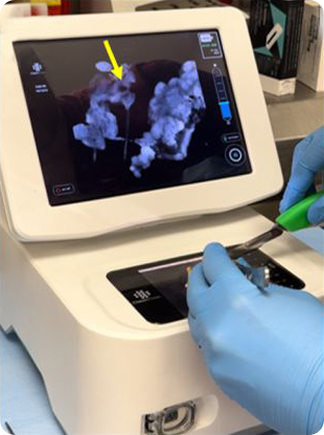
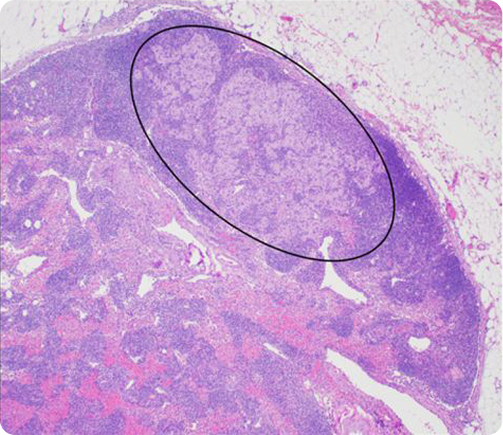
Shortwave infrared imaging increases the number of lymph nodes and improves cancer staging: a 104-patient study


The columns represent the study case numbers, the disease types, the number of lymph nodes retrieved via traditional palpation, the number of positive lymph nodes retrieved via traditional palpation, the number of lymph nodes retrieved in residual tissue assisted by shortwave infrared imaging, the number of lymph nodes retrieved in residual tissue assisted by shortwave infrared, the percentage improvement in lymph node counts, whether the lymph node count improvement affected cancer staging results and whether the lymph node count improvement affected the compliance, that is, the requirement to examine at least 12 lymph nodes for colorectal cases. N, no; N/A, not available; Y, yes.
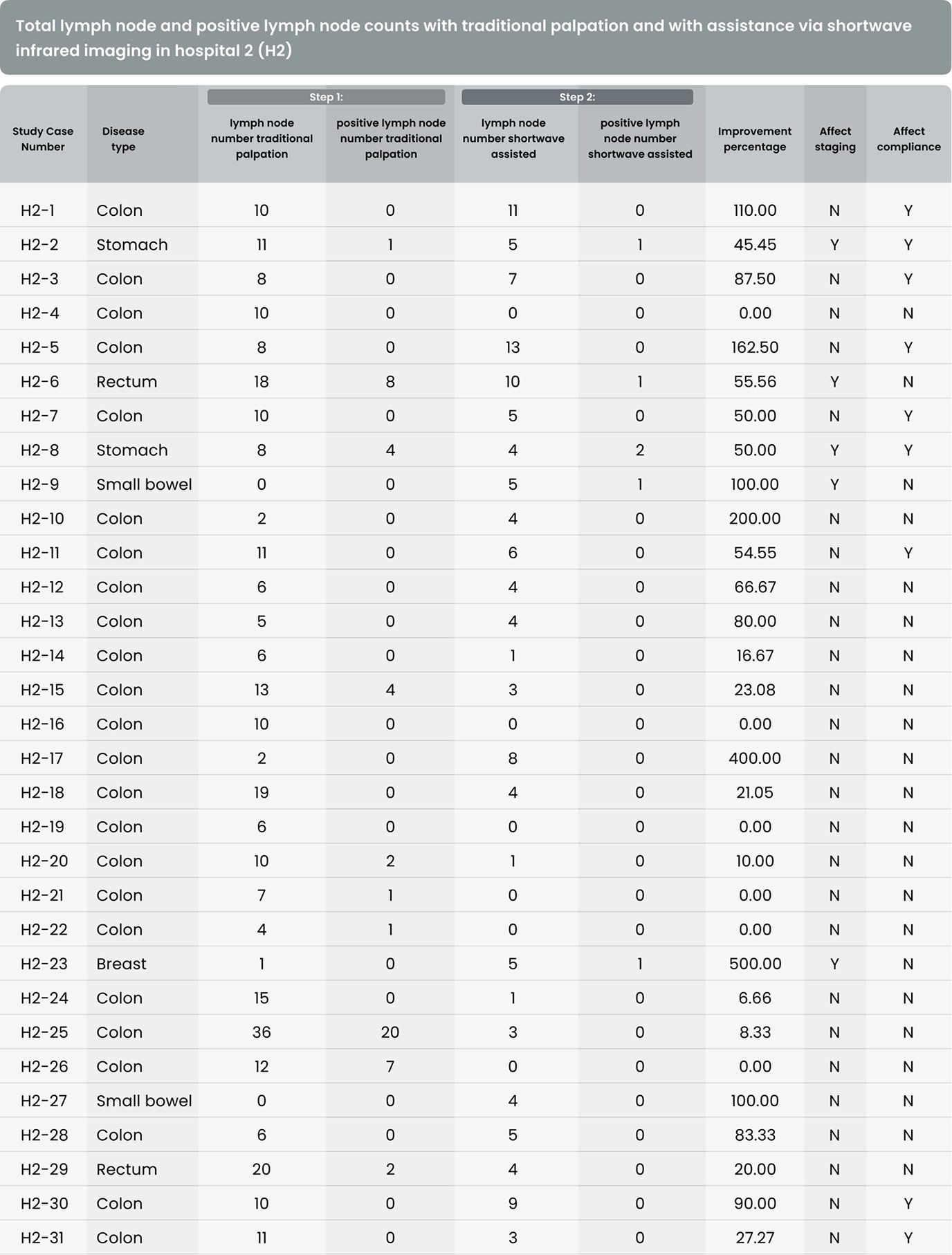
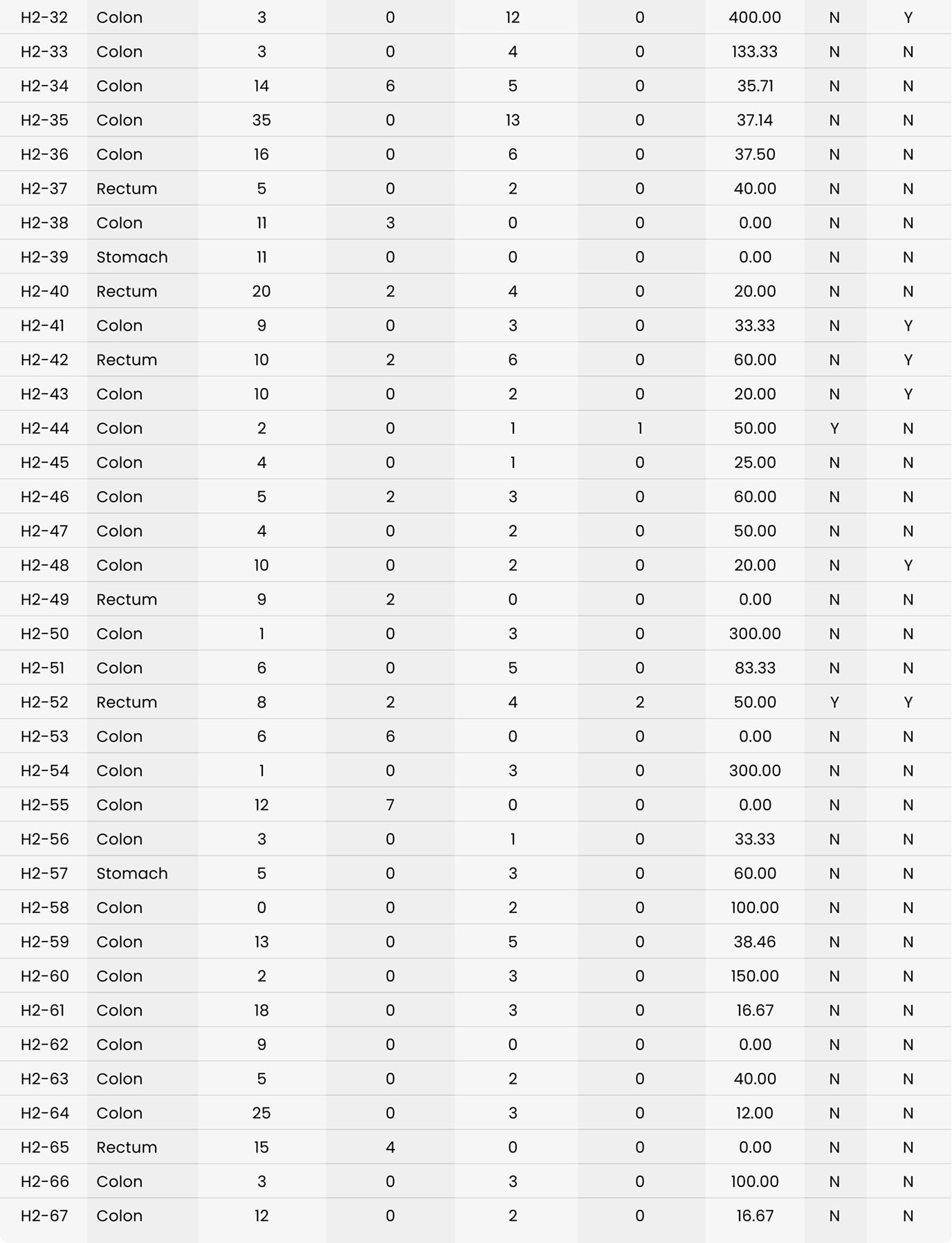
The columns represent the study case numbers, the disease types, the number of lymph nodes retrieved via traditional palpation, the number of positive lymph nodes retrieved via traditional palpation, the number of lymph nodes retrieved in residual tissue assisted by shortwave infrared imaging, the number of lymph nodes retrieved in residual tissue assisted by shortwave infrared, the percentage improvement in lymph node counts, whether the lymph node count improvement affected cancer staging results and whether the lymph node count improvement affected the compliance, that is, the requirement to examine at least 12 lymph nodes for colorectal cases. N,no;Y,yes.
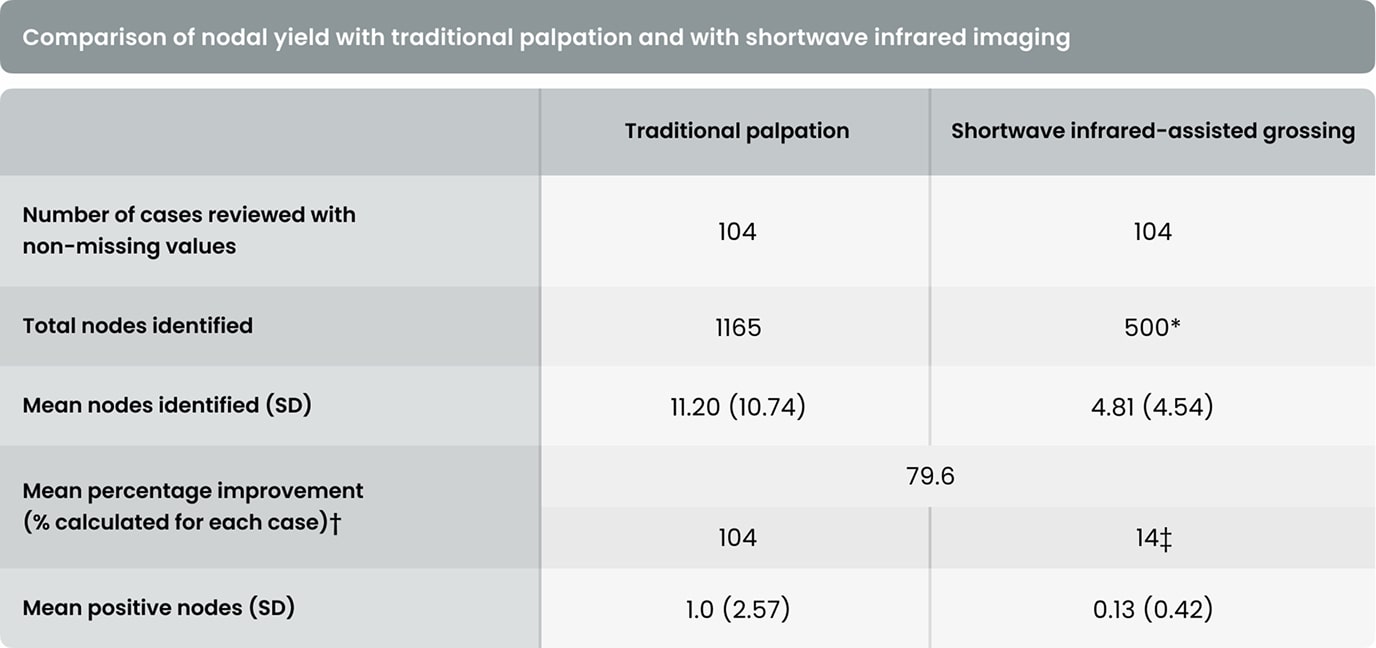
*Shortwave infrared imaging helped a significant number of positive nodes after traditional grossing, b=−2.01, = 56.30, p<0.0001. †Mean case total % improvement=mean of (lymph nodes count identified in batch B per case/lymph node count identified in batch A per case). ‡Shortwave infrared imaging helped identify a significant number of nodes after traditional grossing, b=1.57, = 1232.79, p<0.0001.
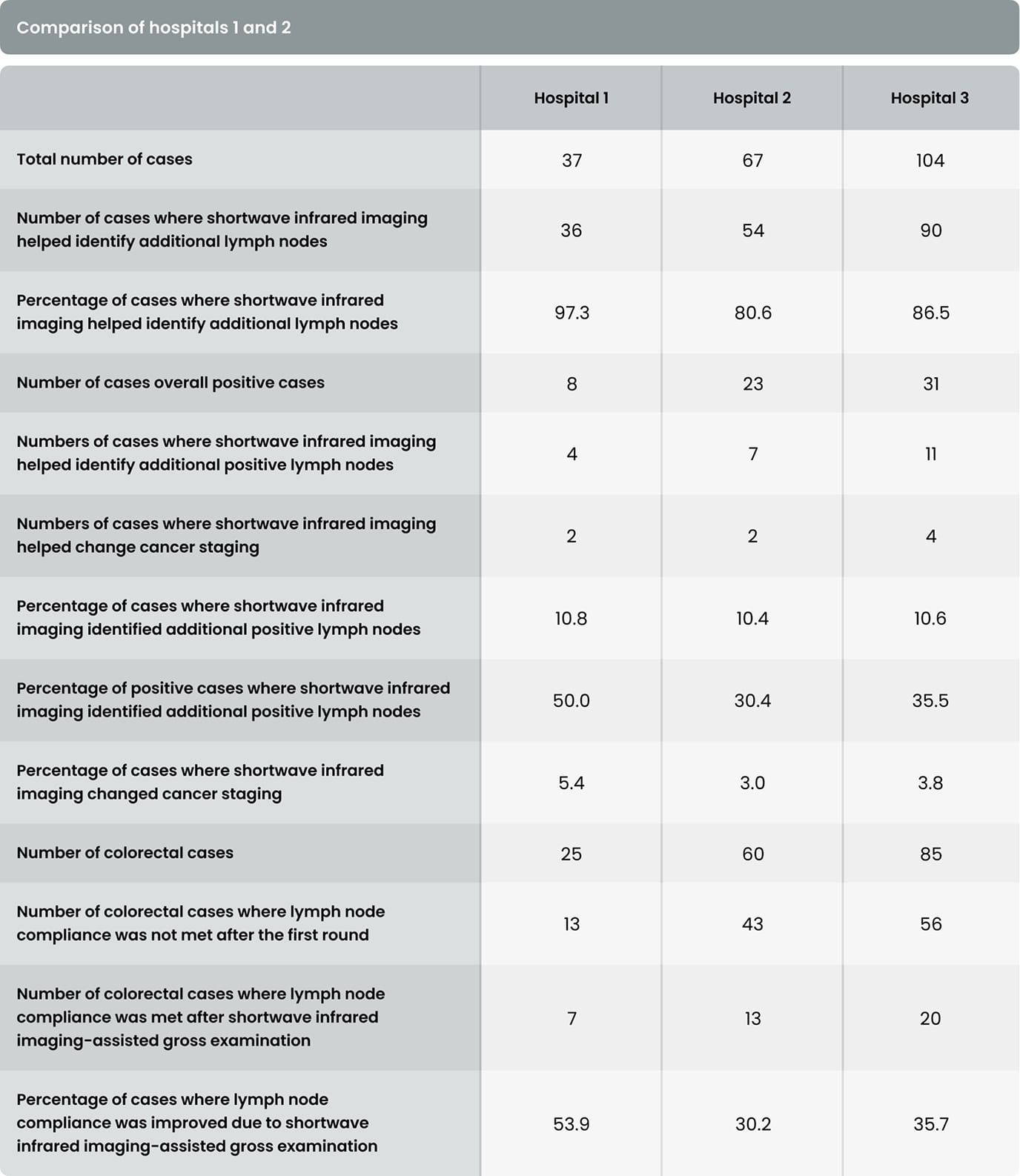
*Lymph node compliance means the requirement of a minimum of 12 lymph nodes examined for colorectal cancer cases.
Evaluation of a novel “gross room” device aiming to increase lymph node yield in colorectal cancer specimens: Preliminary results

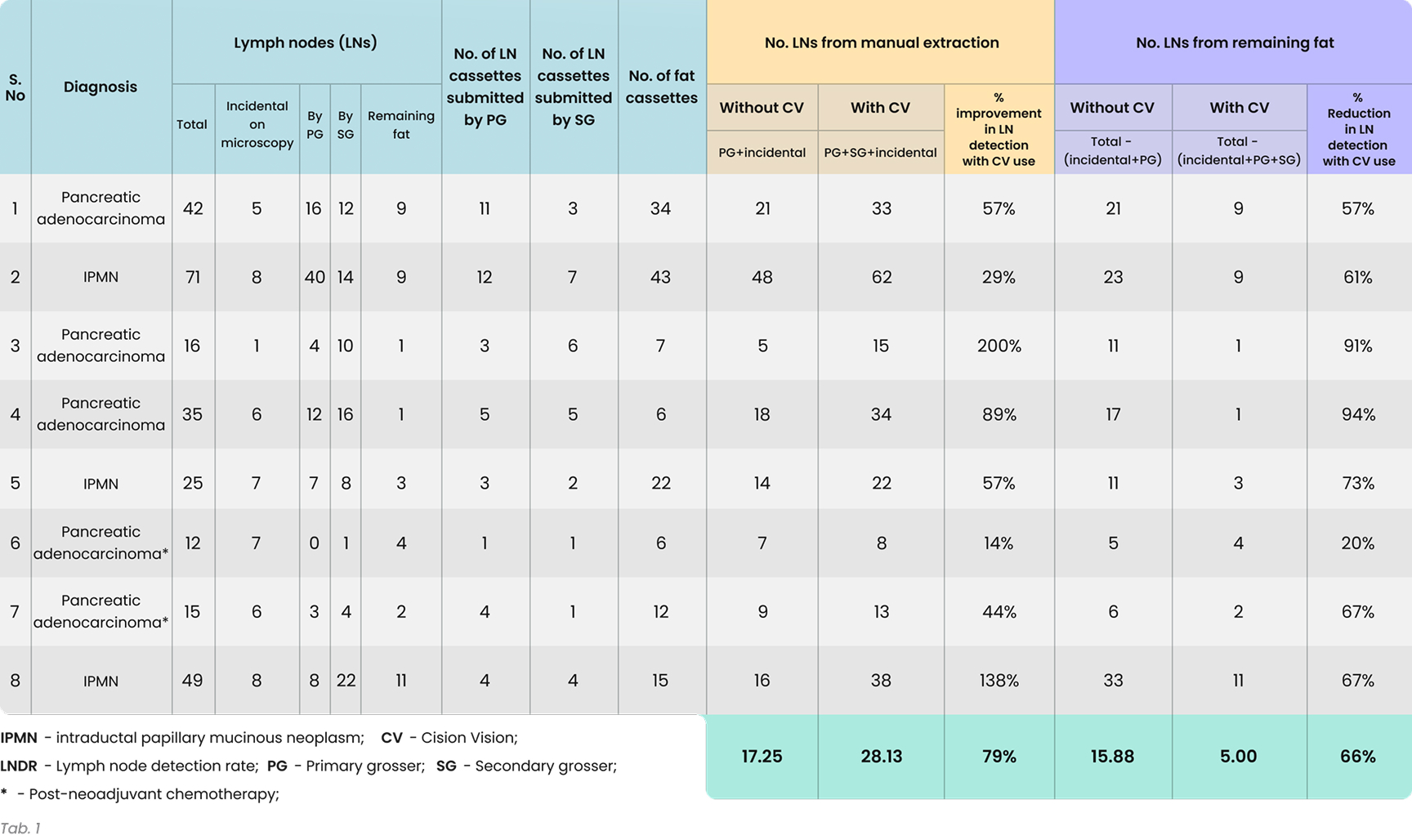
Enhanced Lymph Node Detection in Pancreatic Resection Cases Using CisionVision: An Institutional Study
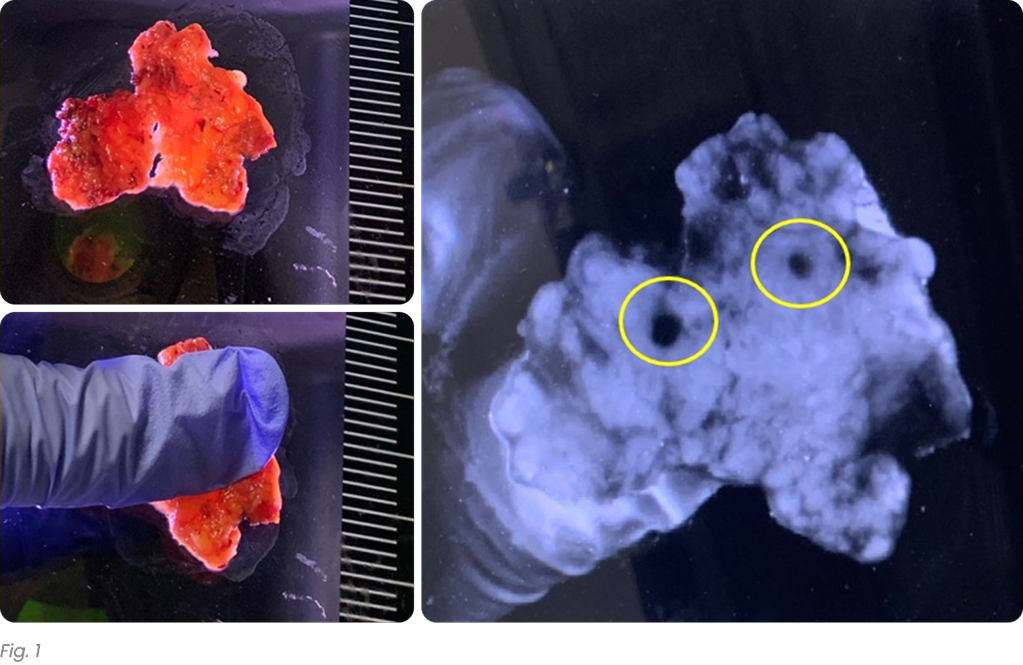

The Effectiveness of InVision, an Optical Imaging Device, in Assisting with Lymph Node Retrieval

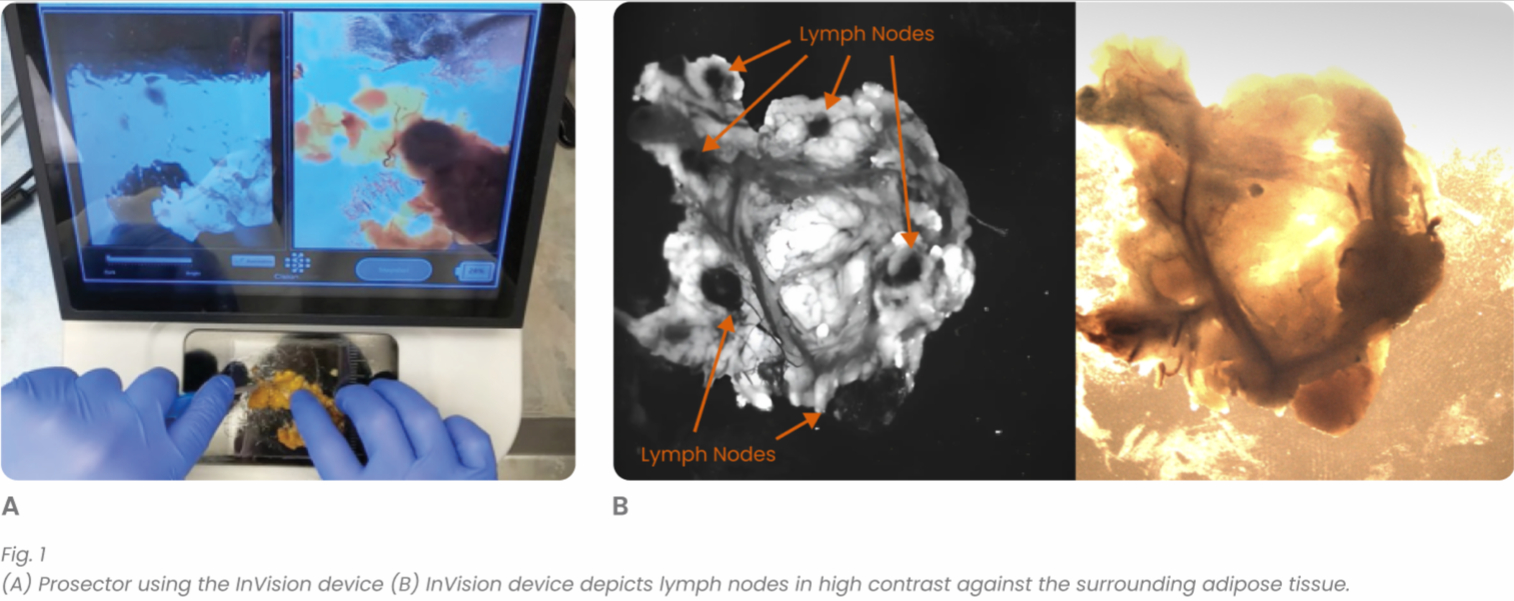
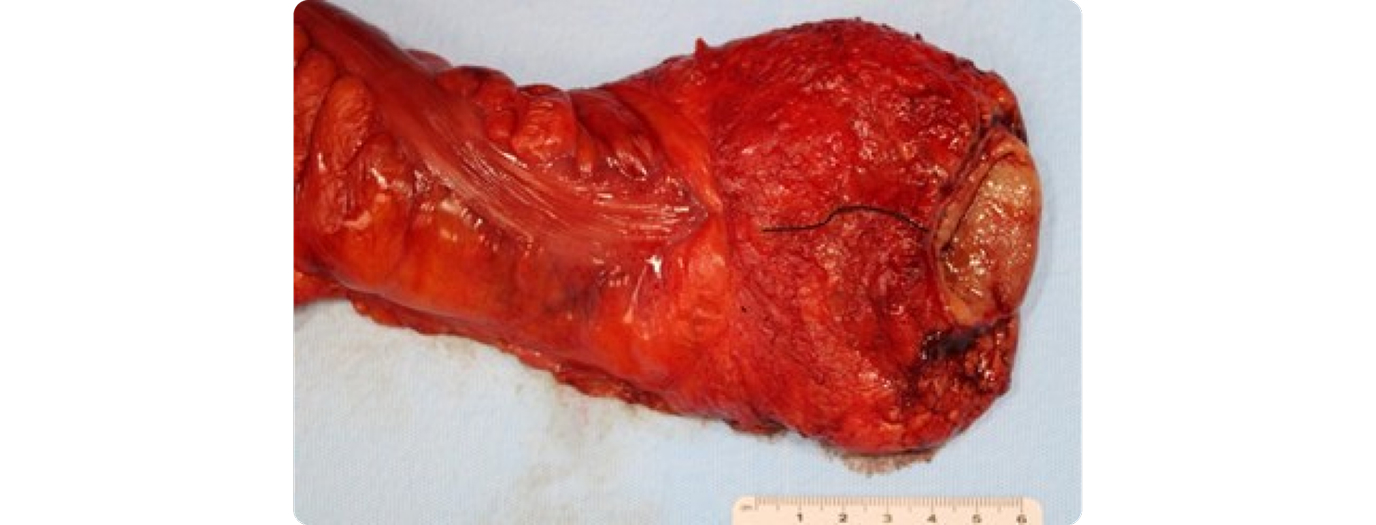
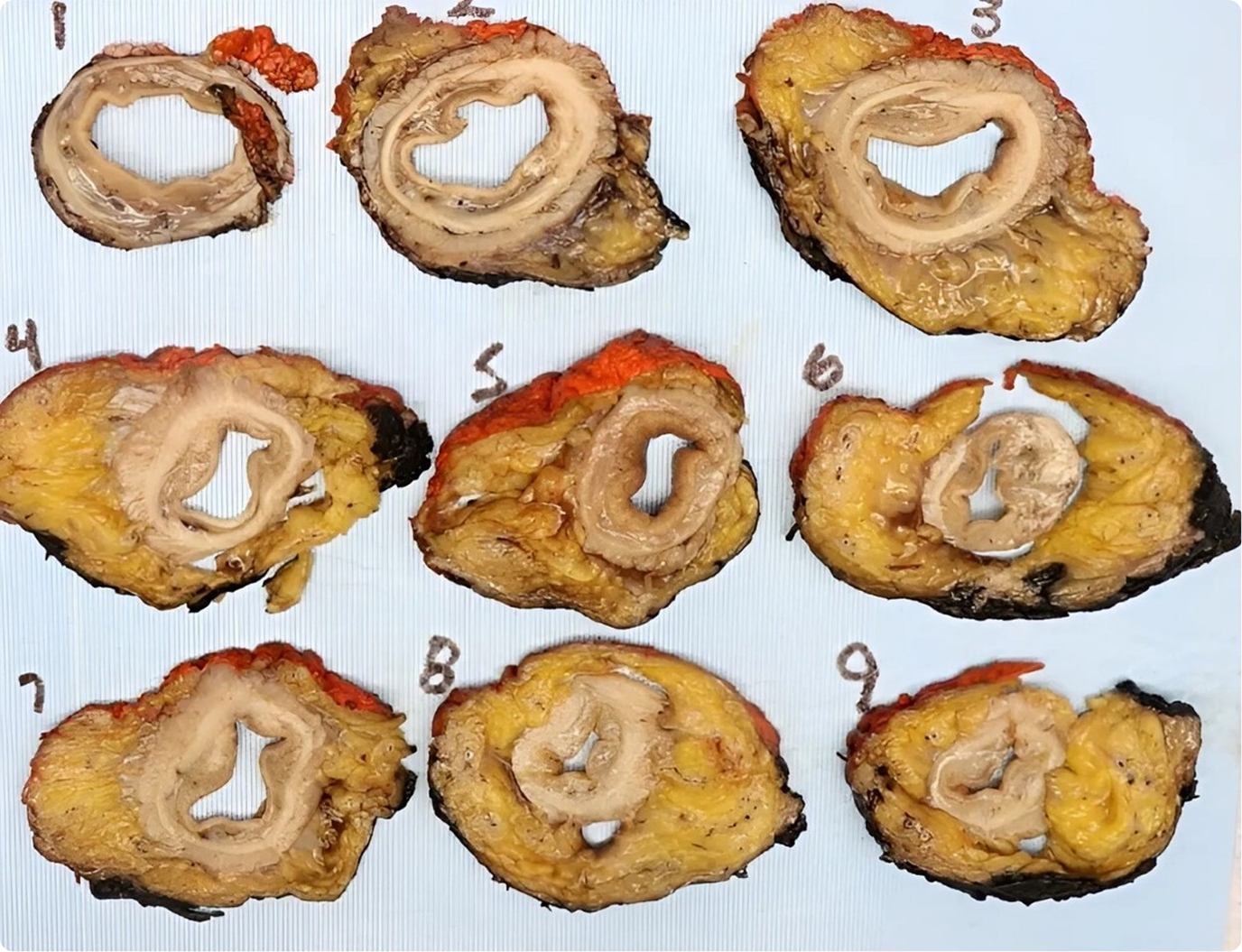
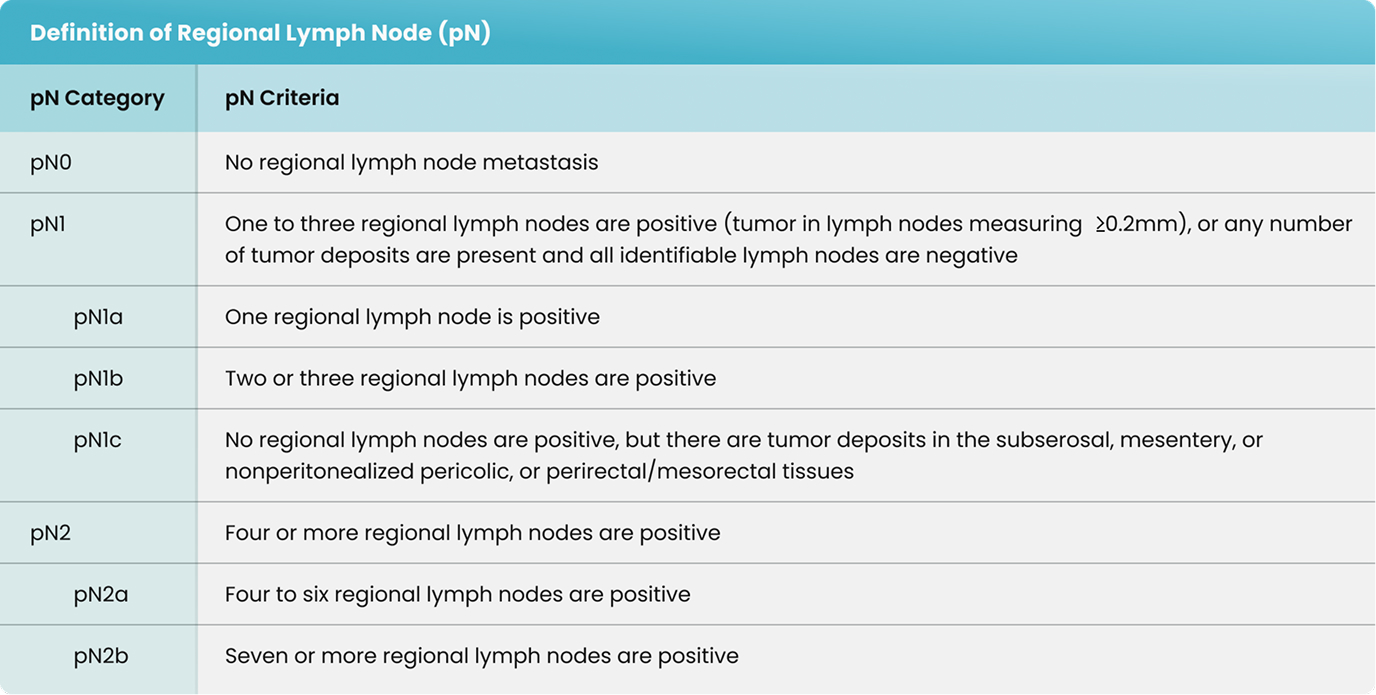
Fig. 4 AJCC TNM staging for colorectal carcinoma with specific information related to N categorization.